
Why Healing Is Much Easier at Deaddiction Centre in Chennai
Table of contents:
- Introduction-Role of Deaddiction centre in chennai
- Understanding Addiction
- Expert Care and Specialized Therapies
- Personalized Treatment Plans
- Safe and Supportive Environment
- Holistic and Evidence-Based Care
- Clinical Therapy Models That Work
- Emotional and Mental Health Support
- Family Involvement and Community
- Advanced Therapies and Complementary Approaches
- Statistics on Recovery and Success Rates
- Real Stories of Transformation
- How Chennai’s Culture Supports Healing
- Accreditation and Qualified Staff
- Aftercare and Long-Term Recovery Support
- Conclusion
1. Introduction-Role of Deaddiction centre in chennai:
Choosing a deaddiction centre in Chennai is an important first step toward a healthier and better life. Many people feel stuck in addiction and find it hard to take control. However, with the right professional help, change is possible. Moreover, a deaddiction centre in Chennai offers expert care, well-planned programs, and support from both staff and fellow patients. Indeed, Chennai is known for its kind and professional recovery centres that focus on both body and mind. Furthermore, being in a professional centre gives patients structure, guidance, and a safe place to heal, which makes it easier to stay committed to recovery.
2. Understanding Addiction:
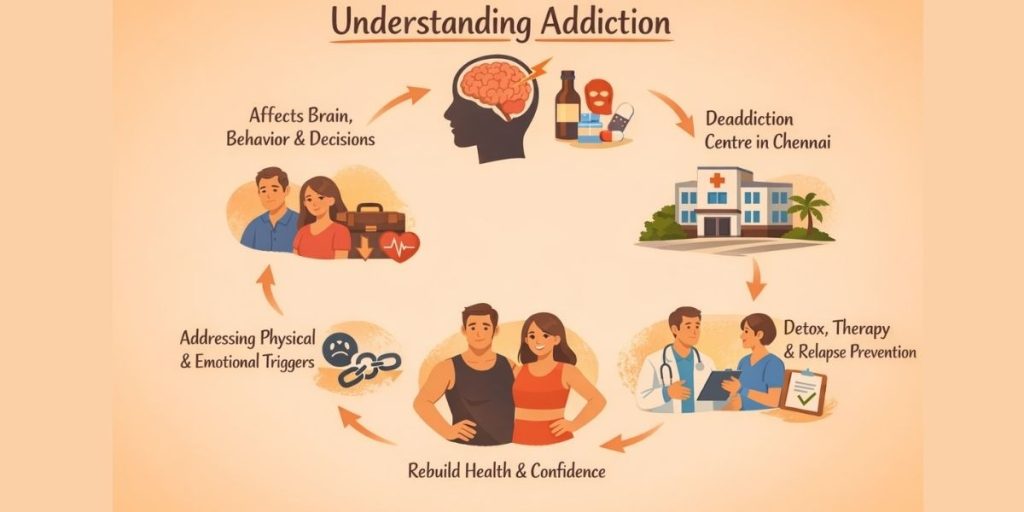
- Addiction affects brain function, behavior, and decision-making.
- Consequently, relationships, work, and overall health suffer.
- Therefore, professional care at a deaddiction centre in Chennai is essential to prevent relapse.
- In addition, trained staff provide safe detox programs, therapy, and relapse-prevention strategies.
- As a result, patients can rebuild health and confidence effectively.
- Moreover, professional help addresses physical dependence and emotional triggers simultaneously.
3. Expert Care and Specialized Therapies:
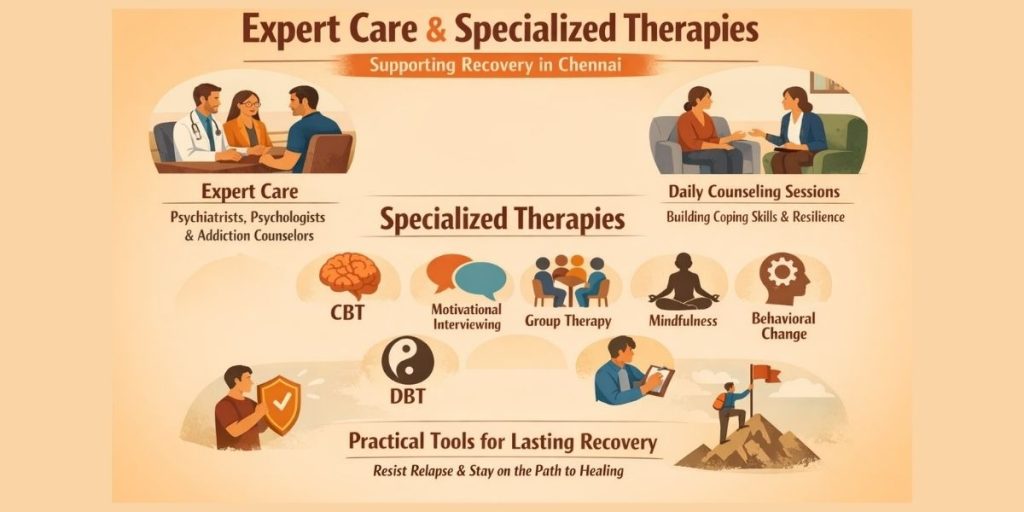
Every recovery journey is personal, yet a deaddiction centre in Chennai offers key strengths that make healing easier.
- Expert Care: Centres have trained psychologists, psychiatrists, and addiction counselors to guide patients.
- Specialized Therapies: Patients receive therapies proven to work, such as:
- Cognitive Behavioral Therapy (CBT)
- Motivational Interviewing
- Group Therapy
- Mindfulness-based practices
- Dialectical Behavior Therapy (DBT) for managing emotions
- Moreover, these therapies help patients change unhealthy thought patterns and behaviors.
- In addition, daily counseling sessions build coping skills and emotional resilience.
- As a result, patients gain practical tools to resist relapse and stay on the path to recovery.
4. Personalized Treatment Plans:
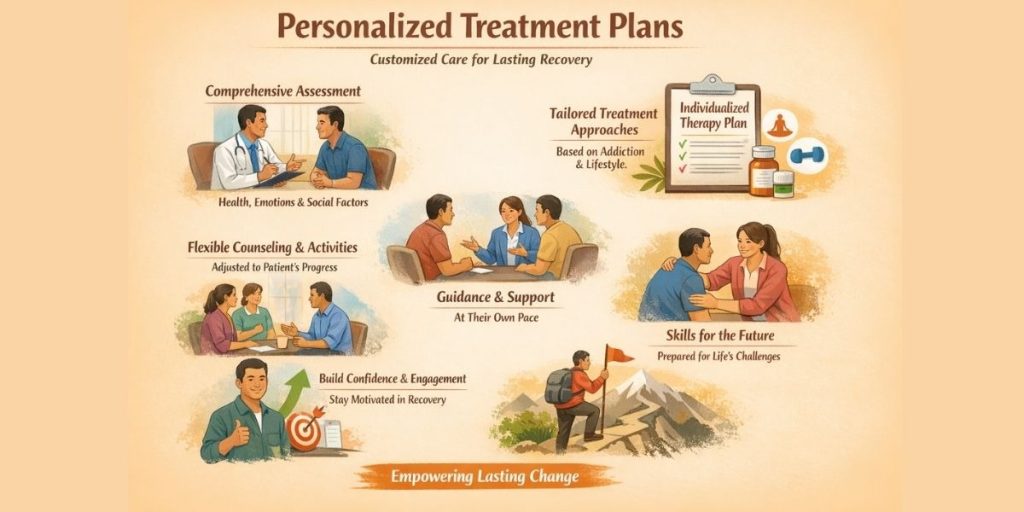
- Treatment at a deaddiction centre in Chennai starts with a careful evaluation of each patient’s physical health, emotional state, and social situation.
- As a result, the centre designs a plan that matches the individual’s type of addiction, lifestyle, and daily routines.
- At the same time, therapy sessions and activities are adjusted according to the patient’s progress and response.
- Along with this, patients receive guidance and support that suits their pace, making recovery more manageable.
- In turn, personalized plans help patients stay engaged, build confidence, and improve long-term outcomes.
- Additionally, tailoring the approach motivates patients to take an active role in their recovery and equips them with the skills to handle future challenges.
5. Safe and Supportive Environment:
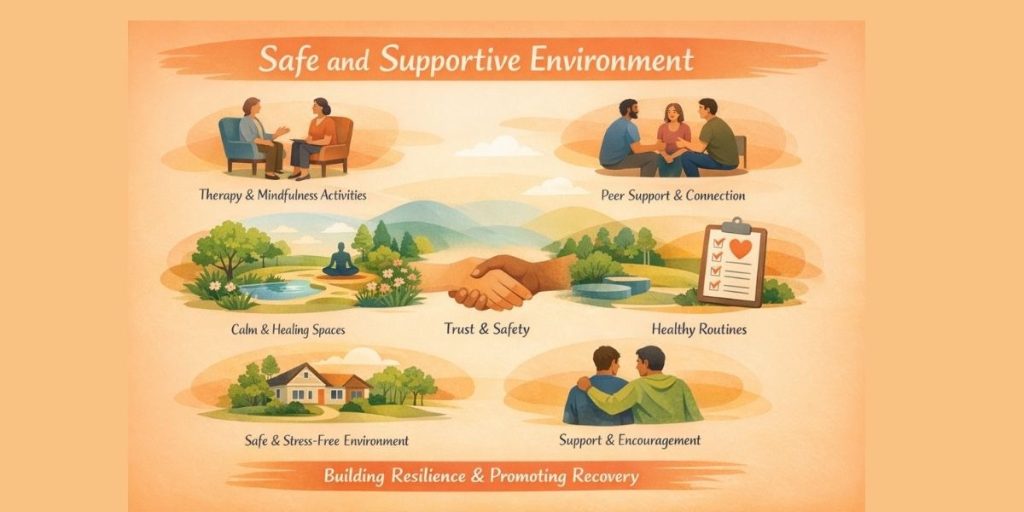
- Centres provide calm, secure spaces free from triggers, ensuring patients can focus entirely on their recovery journey without distractions or stressors from their previous environment.
- Moreover, carefully designed routines, including therapy sessions, recreational activities, and mindfulness exercises, help patients stay engaged and build healthy daily habits.
- In addition, peer support programs allow individuals to share experiences, learn from others, and develop a sense of belonging, which significantly boosts motivation and commitment.
- Furthermore, a foundation of trust and safety encourages consistent participation in therapy, enabling patients to be open and honest about their struggles without fear of judgment.
- Additionally, centres often include calm spaces such as gardens, meditation rooms, or quiet lounges, which promote relaxation, reflection, and emotional healing.
- Indeed, a nurturing environment not only reduces stress but also strengthens mental resilience, which is critical for early recovery and helps prevent relapse.
- Ultimately, the combination of security, structured routines, peer engagement, and thoughtful design creates an atmosphere where patients feel supported, valued, and empowered to fully commit to their recovery process.
6. Holistic and Evidence-Based Care:
- A deaddiction centre in Chennai focuses on mind, body, and spirit, ensuring complete recovery.
- Indeed, combining clinical therapy with holistic approaches improves outcomes.
7. Clinical Therapy Models :
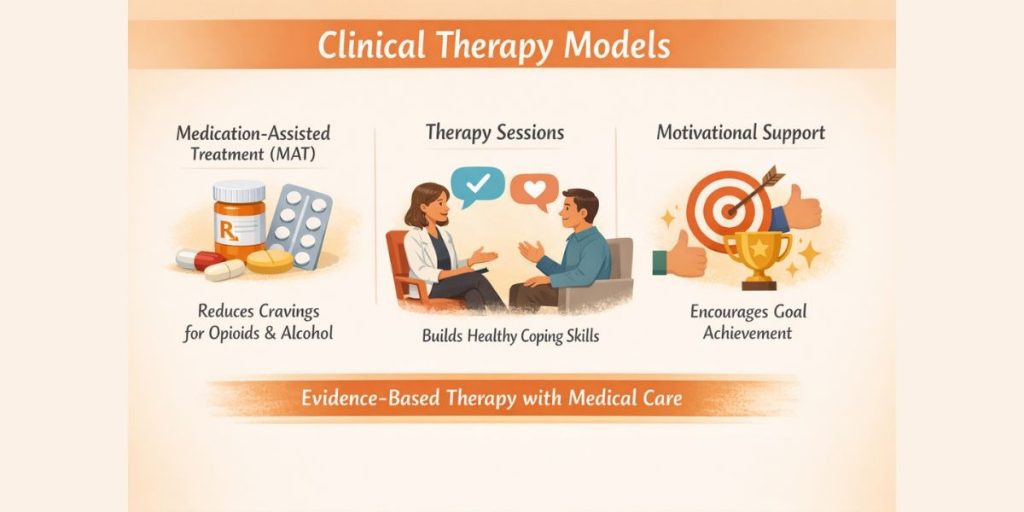
- Evidence-based therapy is paired with medical care.
- For instance, medication-assisted treatment (MAT) reduces cravings for opioids and alcohol.
- Moreover, therapy sessions reinforce healthy coping mechanisms.
- Additionally, motivational support encourages goal achievement.
8. Emotional and Mental Health Support:
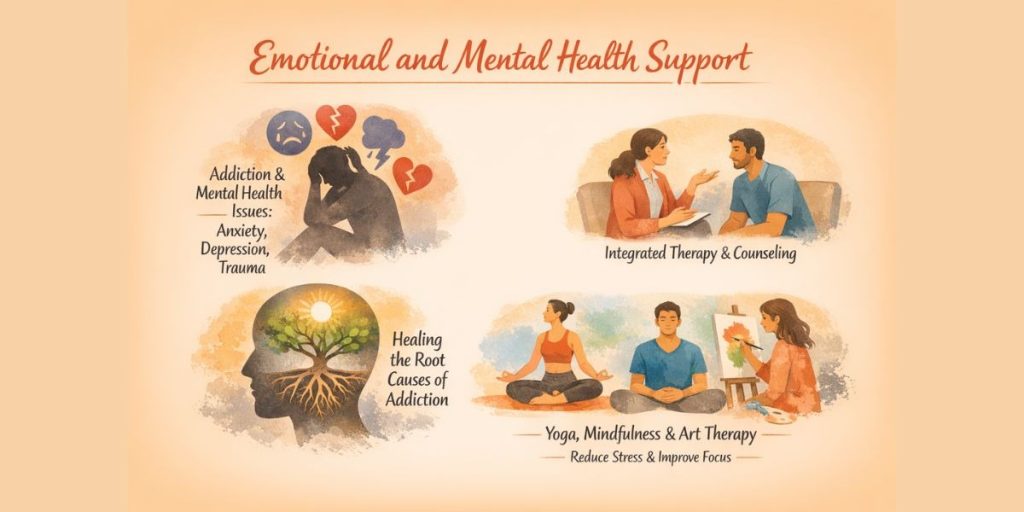
- Addiction often coexists with anxiety, depression, or trauma.
- Therefore, mental health care is integrated into treatment.
- Consequently, root causes of addiction are addressed, and emotional well-being improves.
- Furthermore, therapies like yoga, mindfulness, and art therapy reduce stress and promote focus.
9. Family Involvement and Community:
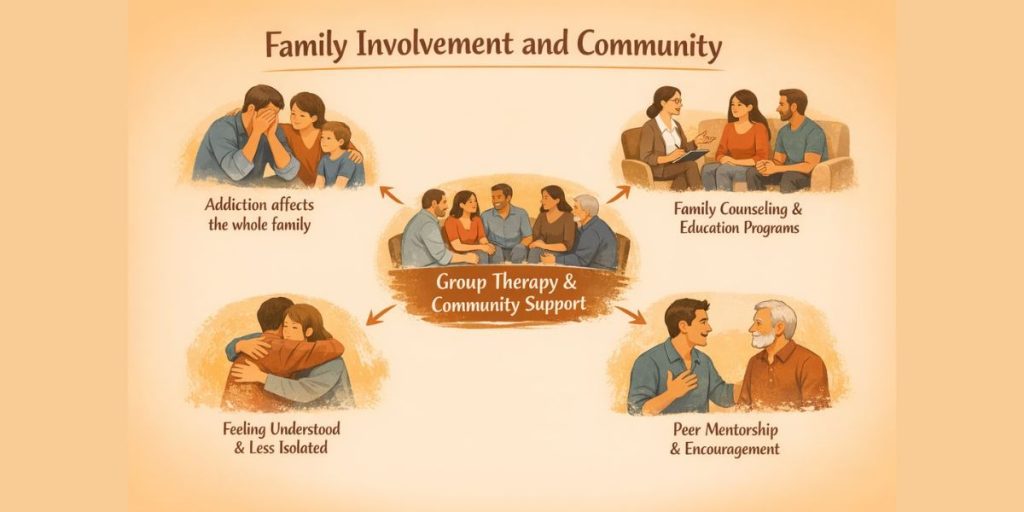
- Addiction impacts families profoundly.
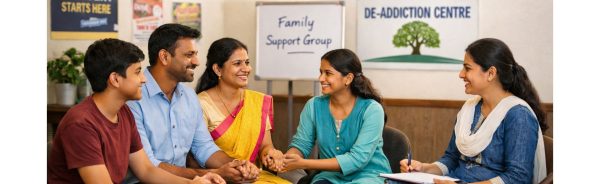
- Hence, many centres include family counseling and education programs.
- Moreover, group therapy fosters community support.
- Consequently, patients feel understood and less isolated.
- Additionally, peer mentorship enhances accountability and motivation.
10. Advanced Therapies and Complementary Approaches:
Many deaddiction centre in Chennai offer complementary therapies to enhance recovery.
For example:
- Yoga and meditation for mental clarity
- Art and music therapy for emotional expression
- Nutritional guidance to restore physical health
- Exercise programs to improve energy and mood
- Furthermore, holistic practices improve sleep, reduce anxiety, and strengthen self-discipline.
- Indeed, combining clinical therapy with complementary methods boosts long-term resilience.
11. Statistics on Recovery and Success Rates:
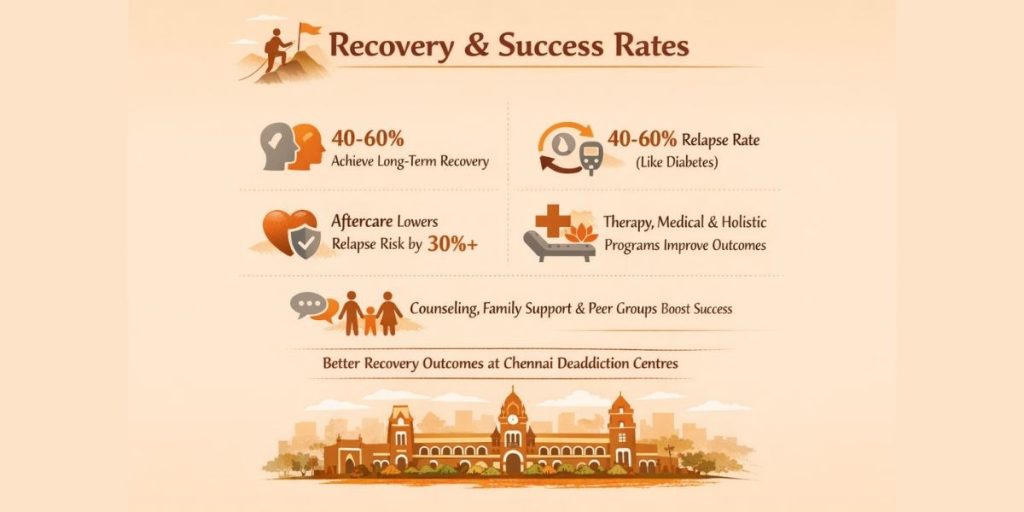
- 40–60% of patients achieve long-term recovery with structured programs.
- Relapse rates are 40–60%, similar to chronic illnesses like diabetes.
- Aftercare reduces relapse risk by 30% or more.
- Centres combining therapy, medical care, and holistic programs see higher engagement and better outcomes.
- Moreover, ongoing counseling, family involvement, and peer support improve success rates.
- Consequently, patients at deaddiction centres in Chennai achieve better long-term recovery outcomes.
12. Real Stories of Transformation:
- Ravi, 32: Overcame alcohol dependence, rebuilt family connections, and started a small business.
- Anita, 28: Recovered from prescription drugs, became a peer mentor, and regained career stability.
- Sunil, 45: Overcame alcohol addiction, now helps in community awareness programs.
- Indeed, structured care, compassion, and community make recovery easier.
- Additionally, these stories provide hope and inspiration for anyone seeking treatment.
13. How Chennai’s Culture Supports Healing:
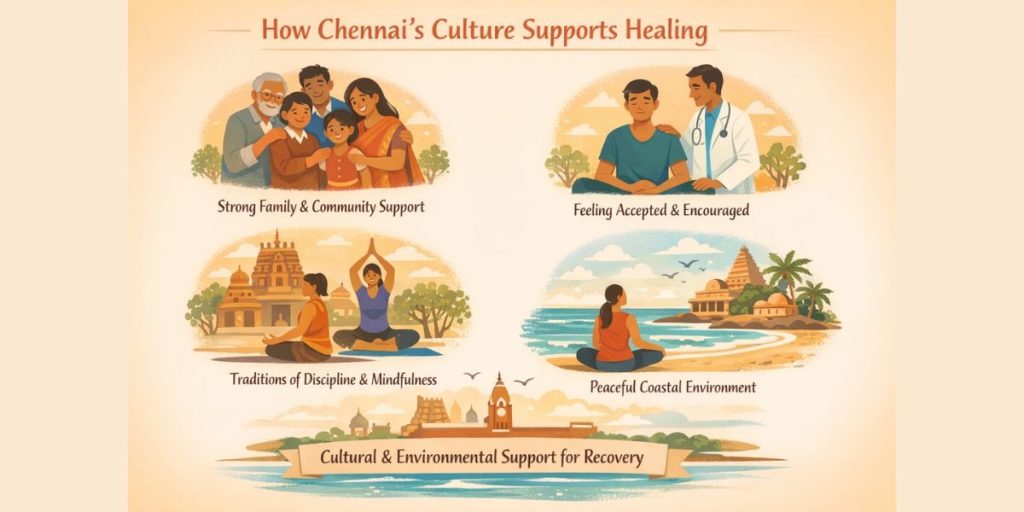
- Chennai emphasizes strong family values and community support.
- Consequently, patients feel accepted and encouraged.
- In addition, traditions that emphasize discipline, patience, and mindfulness align with recovery goals.
- Furthermore, coastal settings and peaceful spaces enhance calm and focus.
- Thus, cultural and environmental factors support emotional resilience during recovery.
14. Accreditation and Qualified Staff:
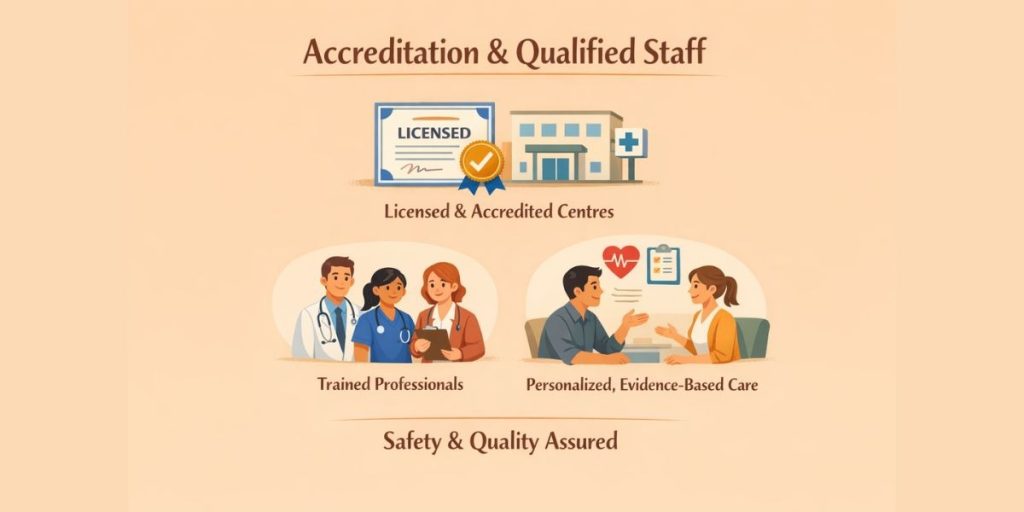
- Ensure centres are licensed and staffed with trained professionals.
- Indeed, accreditation guarantees adherence to safety and quality standards.
- Moreover, qualified staff provide personalized, evidence-based care.
15. Aftercare and Long-Term Recovery Support:
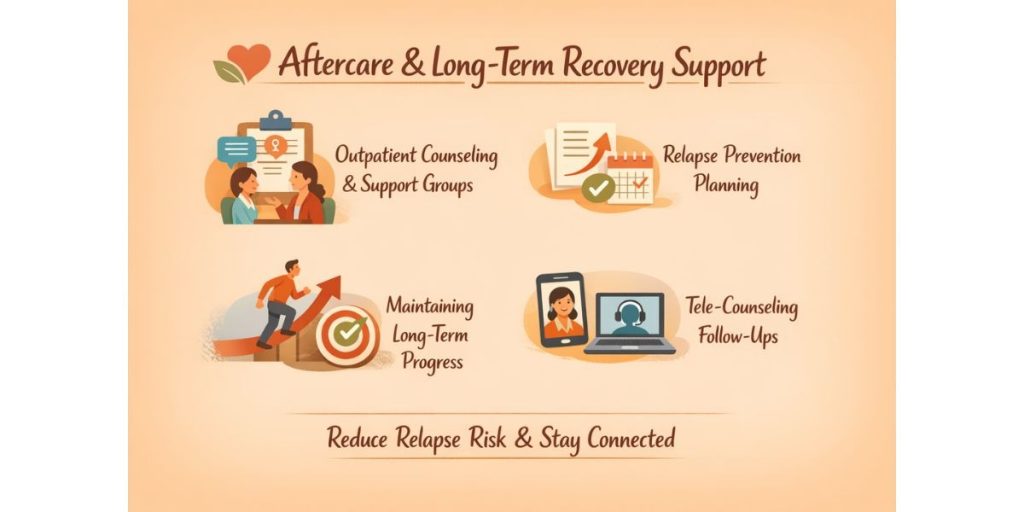
- Recovery continues after the program ends.
- Therefore, choose centres offering outpatient counseling, support groups, and relapse-prevention planning.
- Consequently, long-term progress is maintained and relapse risk decreases.
- Additionally, tele-counseling follow-ups provide accessibility and continuity.
16. Conclusion:
Healing from addiction is possible, and choosing a deaddiction centre in Chennai can make the journey significantly easier. With expert care, personalized treatment plans, and a supportive environment, patients gain the tools and confidence to overcome dependency. Moreover, holistic therapies, family involvement, and community support provide a balanced approach that addresses both physical and emotional needs. The structured programs, combined with ongoing aftercare, help reduce the risk of relapse and encourage long-term recovery. Ultimately, a deaddiction centre in Chennai not only helps individuals regain control of their lives but also restores hope, strengthens relationships, and empowers them to build a healthier, more fulfilling future.
Healing becomes easier when the right support system is in place. Get in touch with a professional Deaddiction Centre in Chennai today and take the first step toward a safe, supportive, and lasting recovery.
Frequently Asked Questions:
- How long does treatment take?
Programs last 30–90 days, with aftercare following.
- Can families be involved?
Yes, family therapy is offered in most centres.
- Is medical detox safe?
Yes, withdrawal is supervised by trained medical staff.
- What therapies are used?
Cognitive Behavioral Therapy (CBT), motivational interviewing, mindfulness practices, yoga sessions, and creative art therapy.
- Are results guaranteed?
No, success depends on commitment, follow-up, and aftercare adherence.