Cannabis Addiction: 7 Warning Signs Most Families Miss
Table of Contents
Cannabis is often seen as a “safer” drug — something young people experiment with and grow out of. That belief is exactly why families miss the signs of a real problem until it has already taken hold. In India, an estimated 2.8% of the population uses cannabis, and close to a quarter of a percent of all Indians meet the clinical criteria for cannabis dependence, with dependence rates far higher among heavy, daily users than among occasional ones (Journal of Psychiatry Spectrum, 2025, retrieved 2026-08-25).
If you’re worried about a family member — a son, daughter, spouse, or sibling — this guide walks through the seven warning signs that are easiest to rationalize away, why they get missed, and what to do next.
Key Takeaways
- Cannabis dependence affects roughly 1 in 400 Indians overall, but the risk rises sharply with daily, heavy use — as high as 1 in 7 among regular ganja/charas users (Journal of Psychiatry Spectrum, 2025).
- Clinically, cannabis use disorder is diagnosed on a spectrum — mild, moderate, or severe — based on how many recognized symptoms are present, not a single dramatic moment (American Bar Association, Understanding Cannabis Use Disorder).
- Withdrawal symptoms like irritability, insomnia, and appetite loss are real and often mistaken for stress or a mood disorder rather than dependence (Cannabis Use Disorder, StatPearls/NCBI).
- Only a small share of Indians with substance dependence — estimates suggest roughly 10–20% — ever receive professional treatment, which means most warning signs go unaddressed for years (ZorbaCare, Addiction Statistics in India 2026).
1. A Rising Tolerance They Explain Away as “Getting Used to It”

The first sign is rarely dramatic — it’s a slow creep. Someone who used to feel relaxed after a small amount now needs noticeably more to get the same effect. Clinically, this is called tolerance, and it’s one of the core diagnostic markers of cannabis use disorder, alongside impaired control, social or occupational dysfunction, and risky use (Cannabis Use Disorder, StatPearls/NCBI, retrieved 2026-08-25).
Families miss this because it happens gradually, and the person themselves usually frames it as normal — “I just have a higher capacity” — rather than as a warning sign.
[EVIDENCE-BACKED EXPLANATION: Tolerance forms because regular cannabis use down-regulates cannabinoid receptors in the brain, meaning the same dose produces a weaker effect over time — the person isn’t “handling it better,” their brain is adapting to constant exposure.]
2. Irritability, Anxiety, or Insomnia When They Can’t Use
This is the sign most often mistaken for something else entirely — work stress, exam pressure, or a mood disorder. But when someone becomes noticeably anxious, irritable, or unable to sleep specifically during periods when they haven’t used cannabis, that’s a withdrawal pattern, not an unrelated mood issue.
The DSM-5 recognizes cannabis withdrawal as a real clinical syndrome, with symptoms including irritability, anxiety, sleep difficulty, decreased appetite, restlessness, and low mood appearing within about a week of stopping heavy use (Understanding Cannabis Use Disorder, American Bar Association, retrieved 2026-08-25). Physical symptoms like stomach pain, tremors, sweating, or headache can accompany the psychological ones (Cannabis Use Disorder, Wikipedia summary of clinical sources).
Families often treat the mood swings as the problem to fix, rather than recognizing them as a symptom of dependence.
[EVIDENCE-BACKED EXPLANATION: Withdrawal severity tends to track closely with how recently and how heavily someone used — the longer since last use, the more symptoms tend to show up, which is part of why they’re often mistaken for a separate, ongoing mental health issue rather than a withdrawal phase that will pass with proper support.]
For many people struggling with addiction, understanding behavioral therapy for drug addiction can help explain how therapy addresses unhealthy thought patterns and behaviors linked to substance use.
3. Falling Grades, Missed Deadlines, or Slipping Work Performance
For students, this shows up as dropping grades, skipped classes, and declining interest in activities they used to care about. For working adults, it looks like missed deadlines, disengagement, or a formerly reliable performer suddenly becoming inconsistent.
Occupational and academic dysfunction is one of the clinical criteria used to diagnose cannabis use disorder — not because using cannabis itself causes failure, but because continued use despite these consequences is what distinguishes dependence from casual use (PsychDB, Cannabis Use Disorder criteria, retrieved 2026-08-25).
This sign gets missed because families — and sometimes teachers or managers — attribute it to laziness, distraction, or “a phase,” especially in teenagers and young adults.
4. Using Alone, in Secret, or Hiding It From Family

Occasional social use rarely comes with secrecy. When someone starts using cannabis alone, hides it from family, or becomes defensive when asked about it, that shift toward concealment is a meaningful behavioral change — not just a privacy preference.
This is particularly underreported among women in India, where social stigma pushes cannabis use further into secrecy. Research estimates that over 3 million Indian women use cannabis, but because of the shame attached, most never disclose it, which means the real number is likely higher than reported figures suggest (Prevalence of Cannabis Abuse in India, ResearchGate, retrieved 2026-08-25).
Women may face different challenges during recovery, which is why addiction treatment for women often takes into account their individual needs, experiences, and support systems.
5. Continuing Use Despite Clear Health, Legal, or Relationship Consequences
This is the clearest clinical marker of addiction versus casual use: the person keeps using even after it has caused a real problem — a health scare, a fight with a partner, a warning at work, or a brush with the law. Continued use despite known harm is one of the four core domains used to diagnose substance use disorder severity (Cannabis Use Disorder, StatPearls/NCBI).
Families often miss this because each incident gets treated as an isolated event — “that one bad night” — rather than as part of a pattern.
6. Losing Interest in Things They Used to Enjoy
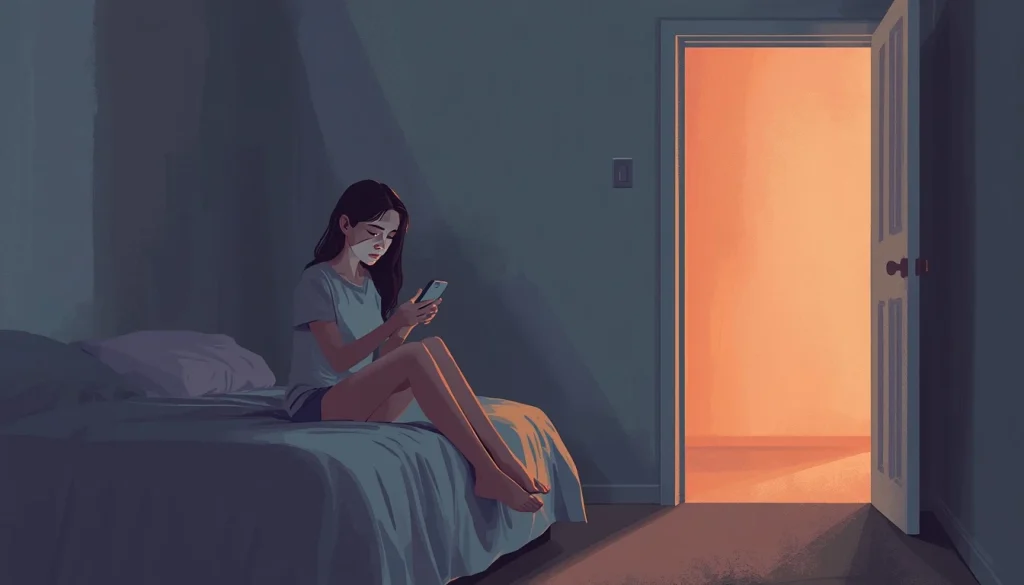
A gradual pulling away from sports, hobbies, friendships, or family time — replaced by more time spent using or recovering from use — is a quieter but significant sign. It reflects how cannabis use starts reorganizing someone’s priorities and daily routine around itself.
This one is especially easy to miss in teenagers and young adults, where some withdrawal from family activities is expected as a normal part of growing up. The distinguishing factor is how broad and sustained the disengagement is, and whether it coincides with the other signs on this list.
7. Needing It to Feel “Normal” Rather Than to Feel High
Perhaps the most telling — and most missed — sign is when cannabis use stops being about seeking a high and starts being about avoiding feeling bad without it. When someone uses specifically to relieve anxiety, restlessness, or low mood caused by not using, that’s the craving and relief-seeking cycle that defines dependence, not recreational use (Cannabis Use Disorder, PsychDB).
By the time this sign appears, the person is often using to function day-to-day, not to enjoy themselves — and families frequently mistake this for the person having “calmed down” rather than recognizing dependence.Families supporting someone with substance addiction may also find it useful to learn what a 12-step program in alcohol recovery involves and how peer support can contribute to long-term recovery.
Why These Signs Get Missed So Often
Three things make cannabis dependence especially easy to overlook in Indian families:
- The “soft drug” perception. Because cannabis is widely seen as less dangerous than alcohol or harder drugs, early warning signs get rationalized rather than investigated.
- Gradual onset. Unlike an overdose or acute crisis, cannabis dependence builds slowly over months, giving families time to normalize each individual change.
- Stigma and secrecy. Especially for women and for professionals in visible roles, fear of judgment keeps use hidden until it becomes unmanageable — which is part of why real prevalence figures are likely underreported (ResearchGate, 2024).
- While cannabis addiction can be easy to overlook, families should also be aware of the common signs of alcohol addiction, especially when changes in behavior, relationships, or daily routines start becoming noticeable.
When to Seek Professional Help
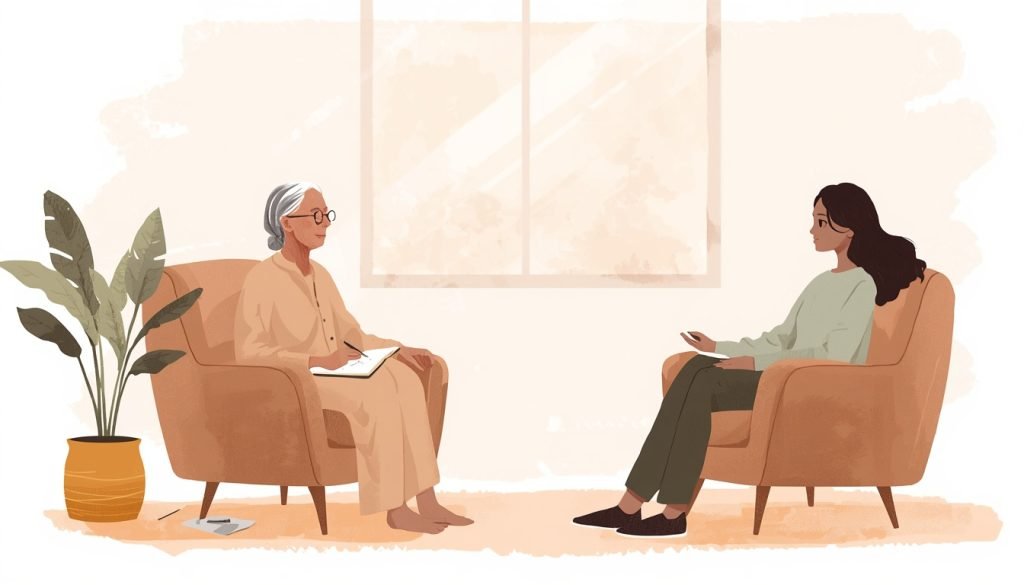
If two or more of these signs have been present for a few weeks or longer, it’s worth having the conversation and considering a professional assessment — not because casual use is automatically a crisis, but because early intervention makes recovery meaningfully easier than waiting for a bigger consequence to force the issue.
At Ayya Care Foundation, cannabis addiction treatment in Chennai includes a clinical assessment, structured detox support where needed, individual and family therapy, and a relapse-prevention plan tailored to the person’s situation — not a one-size-fits-all program.If your family is considering professional help, one common question is how long treatment takes at a rehab centre, as the duration can vary depending on the person’s condition and recovery needs.
Frequently Asked Questions
Is cannabis addiction really a clinical condition, or just a bad habit?
It’s a recognized clinical condition — cannabis use disorder — diagnosed using specific criteria across four domains: impaired control, social or occupational problems, risky use, and tolerance or withdrawal. A person needs to meet at least two criteria within a 12-month period to be diagnosed, with severity graded from mild to severe (StatPearls/NCBI).
Can someone be dependent on cannabis without using it every day?
Yes, though risk rises sharply with frequency. Research on ganja/charas users in India found roughly 1 in 7 regular users develops dependence, compared to about 1 in 16 among less potent bhang users (Journal of Psychiatry Spectrum, 2025).
What should I do if I recognize these signs in a family member?
Start with a calm, non-confrontational conversation rather than an ultimatum, and consider involving a professional for an honest assessment. Reacting with anger tends to increase secrecy rather than openness.
Does cannabis withdrawal require medical detox?
Cannabis withdrawal is not typically medically dangerous the way alcohol or opioid withdrawal can be, but the psychological symptoms — anxiety, insomnia, irritability — can be severe enough that professional support significantly improves the chances of staying stopped.
This article is for informational purposes and is not a substitute for a professional clinical assessment. If you or a family member are struggling with cannabis or any substance use, Ayya Care Foundation’s clinical team is available for a confidential consultation.