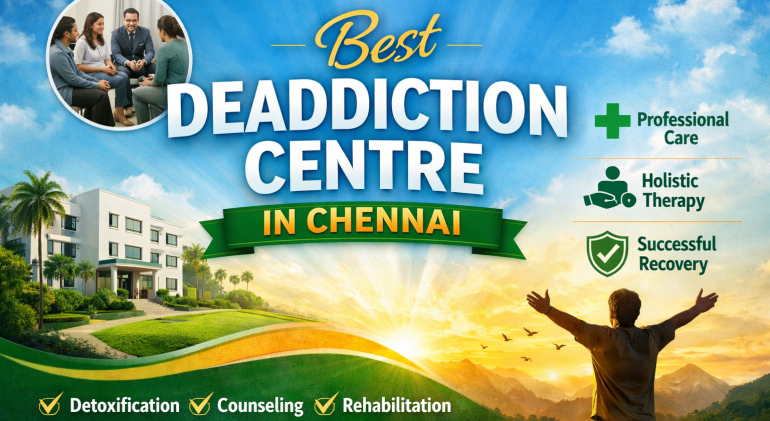
Best Deaddiction Centre in Chennai Using an Advanced Therapy
Table of Contents
Introduction:
Deaddiction Centre in Chennai has become a lighthouse of hope for families and individuals struggling with addiction across the city. Addiction not only harms physical and mental health but also strains relationships and careers. However, with proper guidance and structured treatment, complete recovery is achievable. In fact, advanced therapies available at modern deaddiction centres help patients recover faster and sustain long-term sobriety effectively. Research shows that structured therapy increases recovery success rates by more than 60% in the first year.
Why Choose a Deaddiction Centre in Chennai:
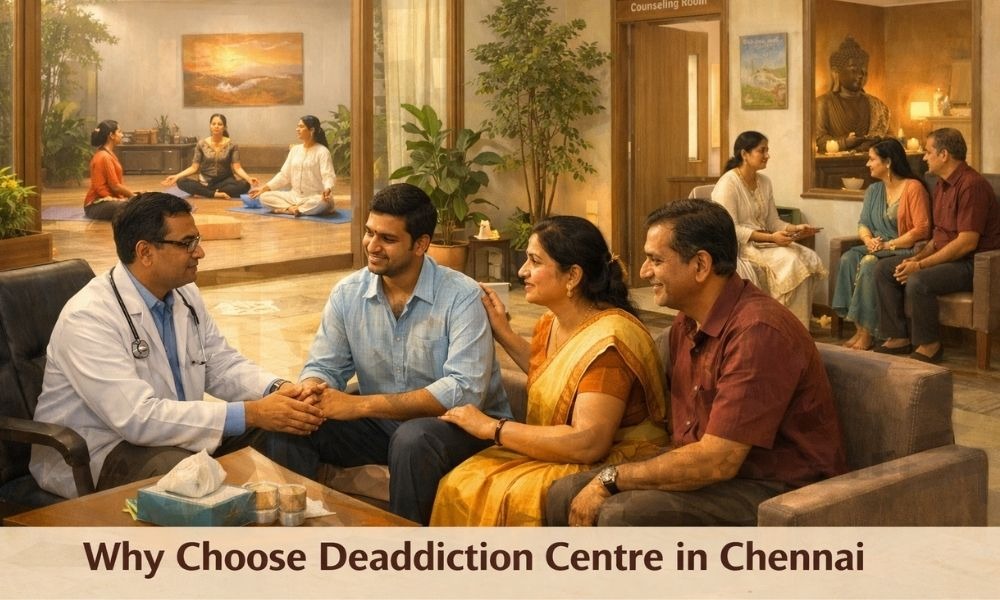
- Expert Care: Highly trained doctors and certified therapists provide personalized guidance and continuous support during the recovery journey.
- Individualized Plans: Each treatment plan is tailored to the patient’s unique needs and considers their medical history for effective results.
- Safe Environment: The centre offers a fully safe and supportive setting for detoxification and rehabilitation.
- Family Support: Family members receive counseling and guidance to actively participate in the patient’s recovery process.
- Advanced Therapies: The integration of modern therapies and holistic methods improves overall recovery and long-term success.
- Continuous Monitoring: Patients’ progress is regularly tracked, and treatment plans are adjusted promptly when needed.
- Consequently, patients experience not only physical recovery but also emotional and psychological stability, leading to complete well-being by deaddiction centre in chennai.
Types of Addiction Treated:
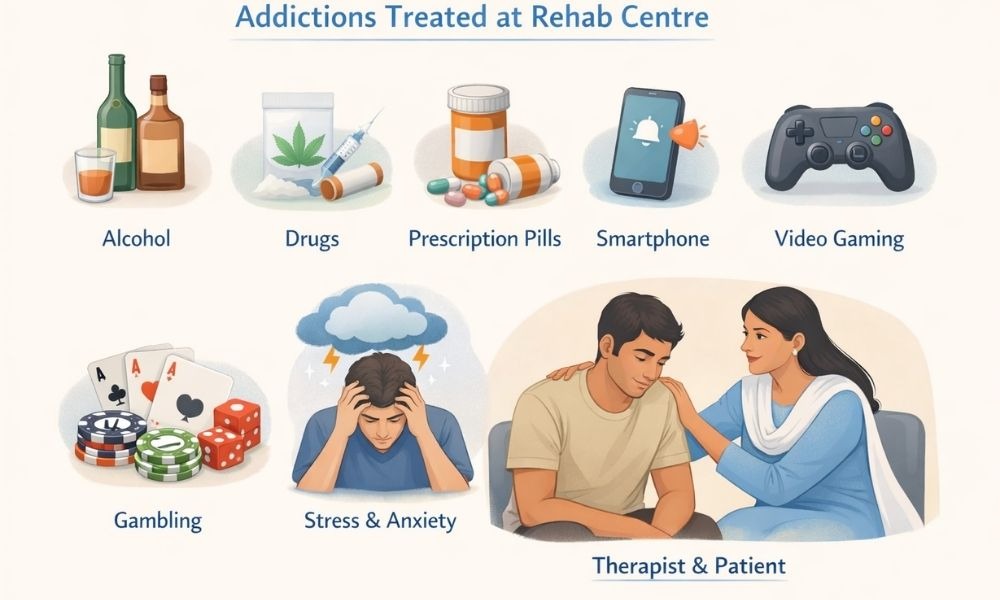
- Alcohol Addiction: Includes long-term dependency and binge drinking, which can harm health and relationships.
- Drug Dependency: Covers opioids, cocaine, cannabis, and prescription drugs that create serious health risks.
- Prescription Medication Misuse: Chronic use of prescribed medications beyond medical advice leading to dependency.
- Behavioral Addictions: Includes gambling, internet addiction, and compulsive shopping that affect daily life and relationships.
- Dual Diagnosis: Addiction occurring alongside mental health issues such as depression, anxiety, or stress disorders.
- Emerging Addictions: New forms like social media overuse and gaming addiction are also addressed.
- Consequently, comprehensive care ensures that all types of addiction are treated, providing holistic rehabilitation.
- In addition, each treatment plan is carefully tailored to meet the patient’s specific needs for maximum results and complete recovery.
Advanced Therapy Techniques Used:
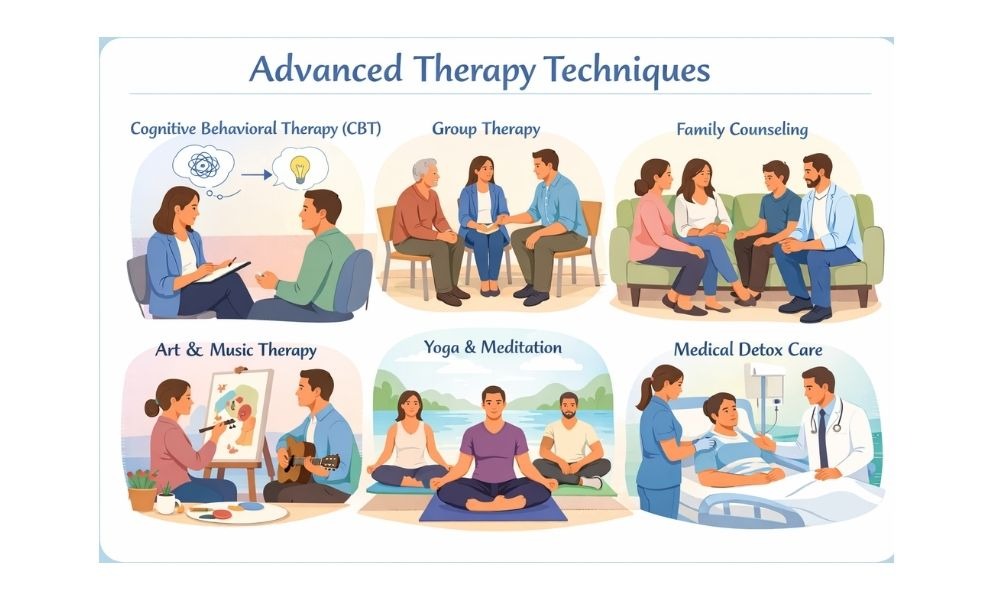
- Cognitive Behavioral Therapy (CBT): Helps patients understand and recognize triggers and develop healthier thinking patterns to reduce relapse risk.
- Motivational Interviewing (MI): Encourages patients to commit to recovery and make positive, self-driven changes in their daily habits.
- Family Therapy: Aims to repair relationships, strengthen family support, and create a strong network to aid recovery at home.
- Group Therapy: Offers peer support, allows sharing of experiences, and helps patients learn from others in a safe environment.
- Holistic Approaches: Includes yoga, meditation, mindfulness exercises, and relaxation techniques to improve overall mental and physical well-being.
- Medical Detox: Specialized staff provide constant supervision to help patients safely rid their bodies of addictive substances.
- Art and Music Therapy: Provides ways for patients to express emotions, relieve stress, and enhance mental wellness.
- Therefore, patients benefit from a well-rounded approach that addresses the mind, body, and social interactions, leading to better recovery results. Therapists actively monitor each patient’s progress and adjust treatment plans as needed to achieve optimal results.
Step-by-Step Recovery Process:
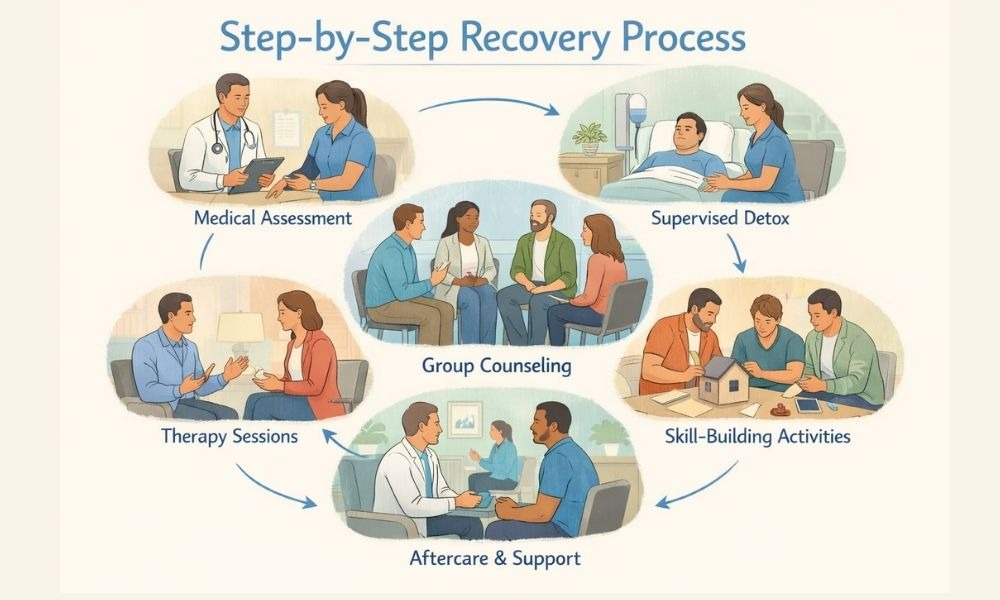
- Initial Assessment: A thorough check of physical health, mental health, and addiction severity. This step helps find underlying issues and set clear recovery goals.
- Detoxification: Safely removes harmful substances from the body under medical supervision, preventing withdrawal problems and keeping patients safe.
- Therapy Sessions: Combines individual counseling, group therapy, and family involvement to help patients develop healthy behaviors and coping skills.
- Skill Development: Patients learn simple coping strategies, stress management methods, and relapse prevention techniques that strengthen recovery.
- Aftercare Plan: Provides ongoing support after leaving the centre, including follow-up visits, community support, and regular monitoring to maintain progress.
- Moreover, continued guidance helps patients apply recovery skills effectively in daily life.
- Similarly, peer support networks keep motivation high and provide accountability over time.
- Consequently, following this structured approach makes patients much less likely to relapse and supports long-term sobriety.
Success Rates and Statistics:
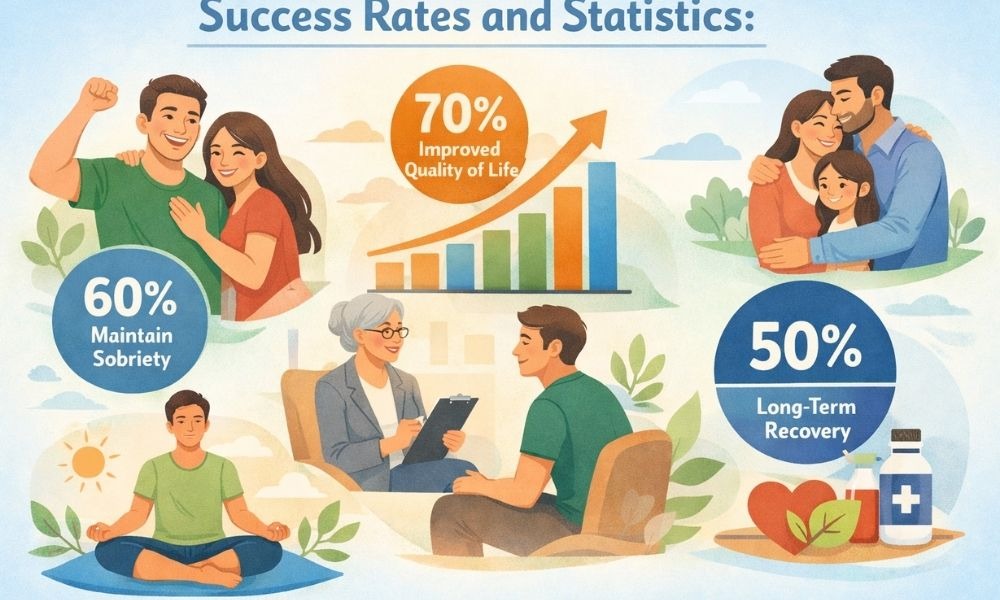
- Research shows that structured therapy programs can improve one-year recovery success rates by more than 60%, providing patients with a strong start.
- With regular support and follow-up care, relapse rates can drop to less than 30%, helping patients maintain long-term sobriety.
- Active family involvement increases the likelihood of long-term recovery by approximately 50%, reinforcing positive behaviors.
- About 70% of patients report noticeable improvement in mental health within six months of starting therapy, boosting confidence and overall well-being.
- Additionally, centres that include holistic methods such as yoga, meditation, and mindfulness see higher patient satisfaction and longer engagement.
- Therefore, adopting a combination of structured therapy, family support, and holistic care significantly improves recovery outcomes.
Benefits for Families:
- Families get strong emotional support and counseling to handle stress, worry, and uncertainty in an easy way.
- They learn simple steps to notice early signs of relapse, understand what triggers it, and act quickly during emergencies.
- Guidance is given to make the home environment positive and supportive, helping the patient recover faster and stay healthy.
- Families can join support groups to share their experiences, learn practical tips, and feel encouraged by others.
- Communication skills are taught so families can guide patients, solve problems calmly, and keep open, helpful conversations.
- When families take part in therapy and recovery, it makes the patient’s recovery stronger and lowers the chance of relapse.
- Moreover, families who stay involved motivate patients, support long-term sobriety, and provide care throughout the recovery process.
Outpatient vs. Inpatient Programs:
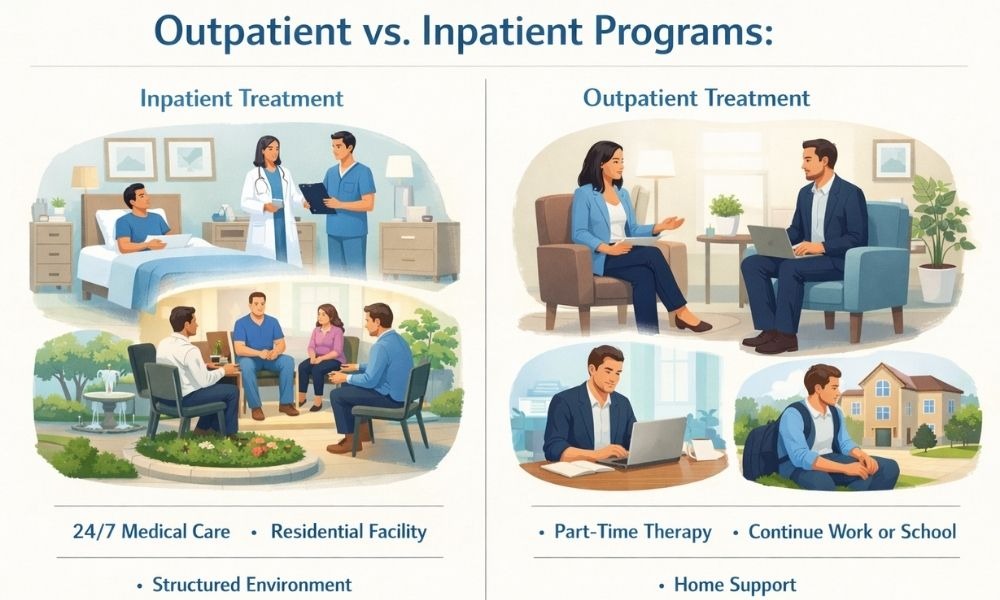
- Inpatient Programs: People dealing with severe addiction stay at the centre throughout the day to access 24/7 support and guidance. They receive care, supervision, and support around the clock.
- Outpatient Programs: Flexible schedules allow patients to continue work or studies while attending therapy sessions at the centre.
- Both programs provide personalized treatment plans, regular therapy sessions, medical support, and ongoing monitoring to support recovery.
- Moreover, patients can transition from inpatient to outpatient care smoothly to maintain continuous progress.
- Similarly, hybrid programs combine the benefits of both inpatient and outpatient approaches to meet each patient’s specific needs.
- Therefore, choosing the program that matches the patient’s lifestyle, schedule, and addiction severity leads to better recovery outcomes.
Importance of Professional Guidance:
- Professional guidance helps avoid risky self-treatment or unproven home remedies, keeping patients safe and secure.
- It ensures that detoxification is done safely with full medical supervision and expert care.
- Patients receive structured counseling that teaches them how to manage triggers, stress, and cravings effectively.
- Continuous monitoring helps prevent relapse and quickly detects early warning signs.
- Moreover, professional support also addresses mental health issues that may exist alongside addiction.
- As a result, patients recover more smoothly and face fewer obstacles during treatment.
- Hence, having professional supervision is essential for both immediate recovery and long-term sobriety, ensuring lasting results.
Tips to Maintain Long-Term Sobriety:
- Follow all aftercare instructions and maintain regular therapy sessions.
- Participate actively in peer support and community groups.
- Practice stress management techniques such as meditation, mindfulness, and exercise.
- Surround yourself with safe, supportive people and spaces that strengthen your commitment to sobriety.”
- Maintain consistent communication with counselors and support groups.
- Engage your family and talk openly about challenges and achievements in your recovery.”
- Furthermore, setting realistic goals helps maintain motivation and focus.
- Similarly, tracking progress regularly reinforces positive behaviors and accountability.
Conclusion:
Choosing the Best Deaddiction Centre in Chennai guarantees advanced, evidence-based therapy, highly trained staff, and structured programs. Patients regain control of their lives, families find support, and long-term sobriety becomes achievable. Moreover, combining medical, psychological, and holistic therapies ensures comprehensive recovery and reduces the risk of relapse.
Struggling with addiction? Take the first step today by connecting with the Best Deaddiction Centre in Chennai and receive professional support for long-term recovery.
Frequently Asked Questions:
1: How long is a typical treatment program?
Programs vary from 30 days to 6 months depending on the severity of addiction and the patient’s health.
2: Can patients continue work during treatment?
Outpatient programs allow patients to maintain work, whereas inpatient programs require full-time commitment.
3. How soon can patients see results after starting treatment?
Most patients notice improvements in mood, health, and coping skills within the first few weeks, with significant progress over 3–6 months.
4: Is relapse common after treatment?
While relapse can occur, following aftercare programs and family support significantly reduces the risk.
5: Can patients fully return to normal life after recovery?
Yes, with consistent therapy, aftercare support, and family involvement, patients can resume daily life and maintain sobriety successfully.