Step-by-Step healing Process at Deaddiction Centre in Chennai
Table of Contents
1. Introduction:
Deaddiction centre in Chennai provides structured care for alcohol and drug addiction. Initially, addiction may begin casually, yet repeated use gradually leads to dependency. Over time, it impacts health, emotions, and daily routines. Consequently, seeking professional help becomes essential for safe and long-term recovery. Furthermore, structured programs guide patients step by step, helping them regain control, build healthy habits, and restore their lives. In fact, according to the World Health Organization, over 35 million people worldwide suffer from drug use disorders, while alcohol contributes to 3 million deaths globally each year.
2. Understanding Addiction:
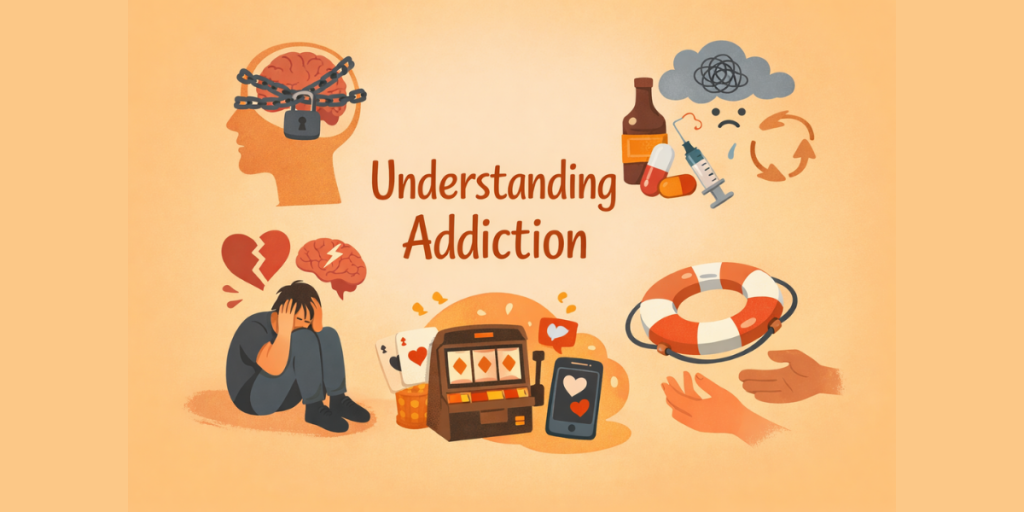
- Addiction develops due to both physical and as well as emotional factors.
- Often, people start using substances to cope with stress or emotional challenges.
- Most Common causes include:
- Work stress or pressure
- Anxiety or depression
- Peer influence or social pressure
- Family conflicts or traumatic experiences
- Moreover, repeated use changes brain chemistry.
- As a result, cravings increase, and control becomes difficult.
- Therefore, professional treatment is critical for effective recovery.
3. Early Warning Signs:
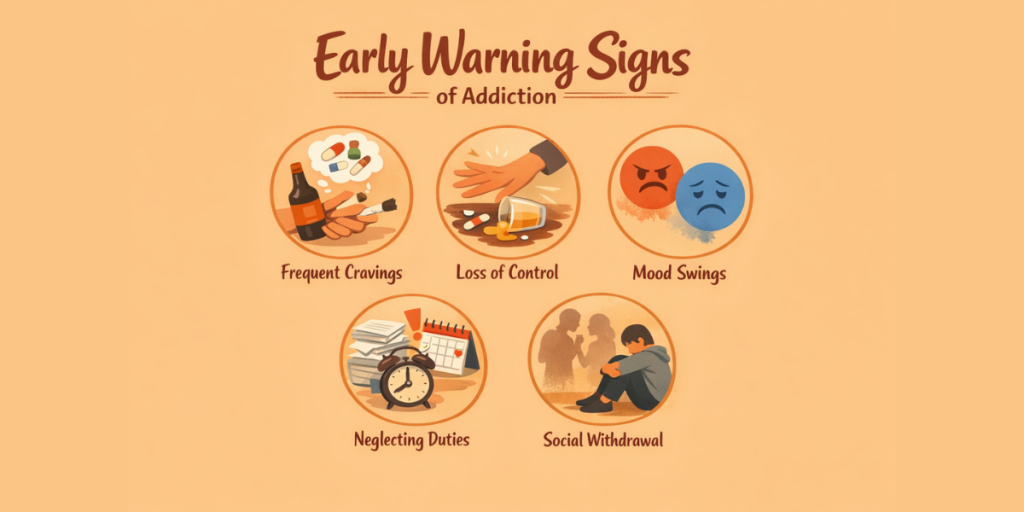
In general, recognizing addiction early can improve outcomes.Most common Warning signs include:
- Frequent cravings or increased use
- Loss of control over substance intake
- Mood swings or irritability
- Neglecting responsibilities
- Social withdrawal
- Sleep issues and unstable emotions are also frequent.
Consequently, seeking help at a deaddiction centre in Chennai ensures timely and safe intervention.
4. Importance of Professional Treatment:
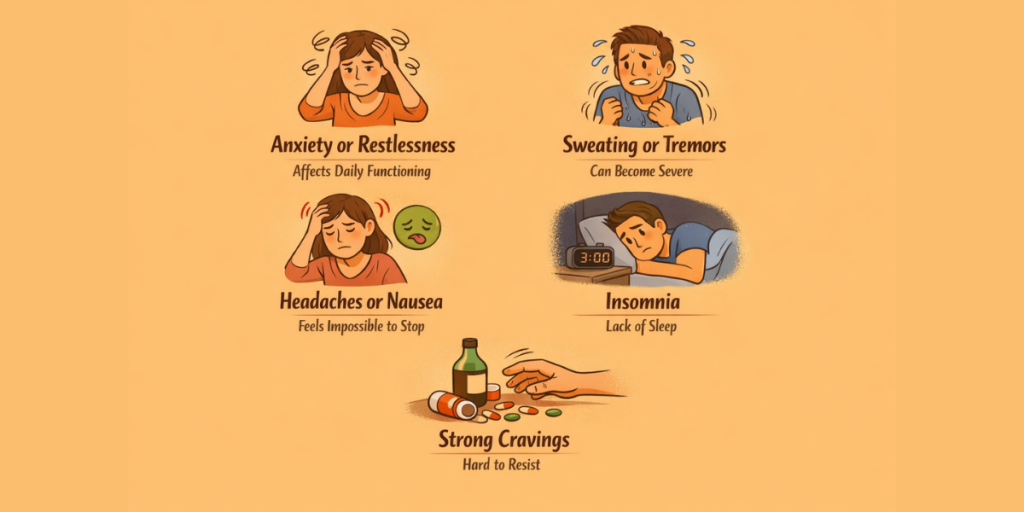
Many people attempt to overcome their addictions on their own. However, withdrawal symptoms often make this process very challenging.Common withdrawal symptoms include:
- Anxiety or restlessness – Additionally, it can affect daily functioning.
- Sweating or tremors – Moreover, these symptoms may become severe without supervision.
- Symptoms like headaches or nausea: Apart from that, discomfort can make stopping seem impossible
- Insomnia – Furthermore, lack of sleep can worsen emotional instability.
- Strong cravings – As a result, relapse risk increases without proper guidance.
- In severe cases, withdrawal may even become dangerous. Therefore, medical supervision is critical.
A deaddiction centre in Chennai provides structured detox programs, counseling, and therapy to address both physical and emotional needs. Consequently, patients can recover safely and effectively.
5. Healing Environment at a Deaddiction Centre in Chennai:
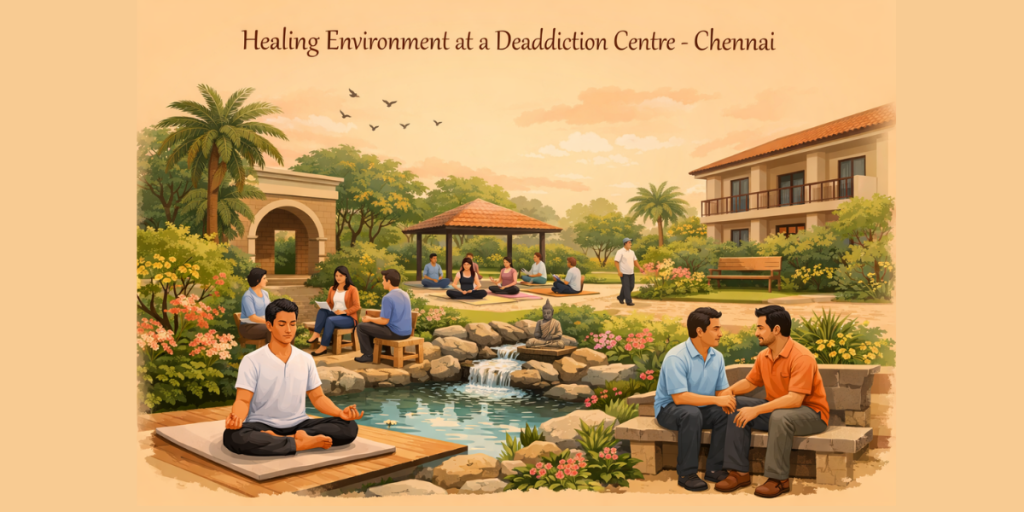
A safe and supportive environment plays a crucial role in promoting recovery.Key features include:
- Medical supervision and healthcare support – Moreover, continuous monitoring ensures patient safety and comfort.
- Individual counseling sessions – Additionally, one-on-one guidance helps address personal struggles effectively.
- Therapy programs including CBT – Furthermore, these programs help patients change harmful thoughts and behaviors.
- Wellness and holistic activities – In addition, yoga, meditation, and exercise support physical and mental well-being.
Overall, these elements work together, allowing patients to focus fully on healing without distractions.
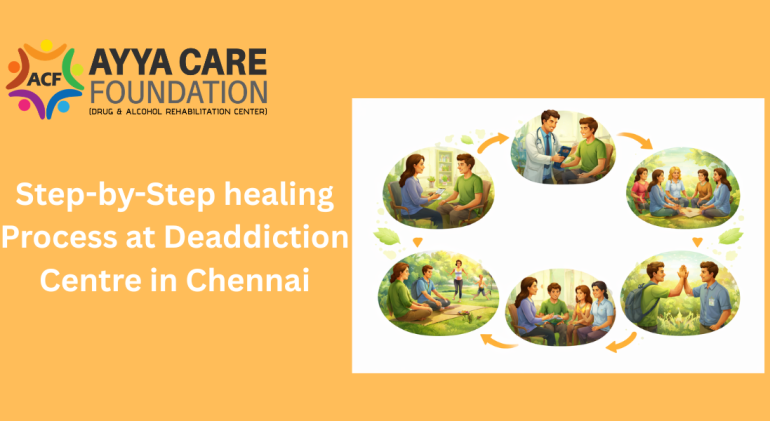
6. 8 Stages on healing process:
Stage 1: Medical Assessment and Treatment Plan
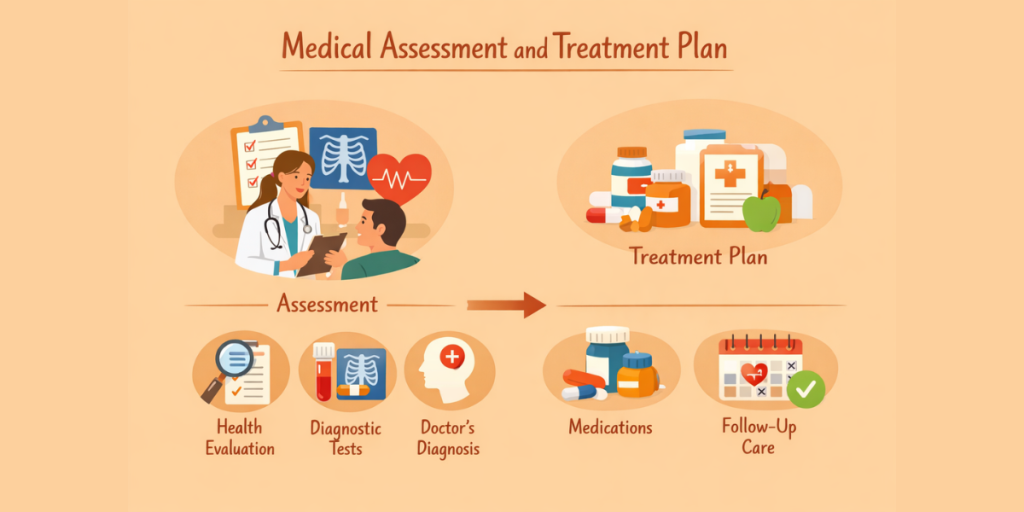
At first, Recovery begins with a thorough medical evaluation. Doctors and counselors assess:
- Substance use history
- Physical and mental health
- Lifestyle and habits
- Afterwards, a personalized treatment plan is developed.
- Patients therefore receive attention that is designed to meet their particular requirements.
Stage 2: Detox and Withdrawal Management
Secondly, Detox removes harmful substances safely from the body.During detox:
- Withdrawal symptoms are monitored
- Medications reduce discomfort
- Nutrition and hydration support are also provided
- Health is continuously monitored
- Thus, detox becomes manageable and also safe.
Stage 3: Individual Counseling
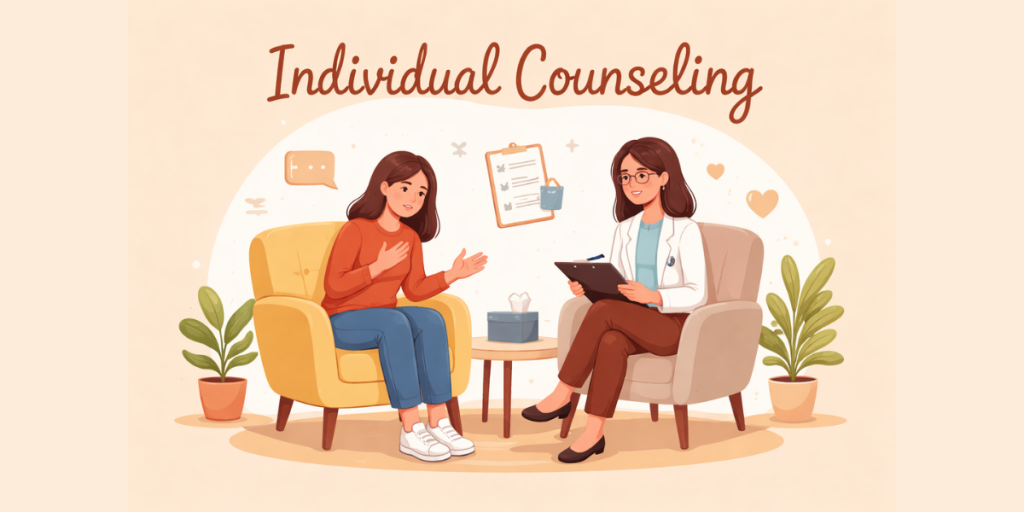
In general, Counseling addresses the emotional causes of addiction. At first, Patients discuss:
- Personal struggles and triggers
- Emotional stress and coping challenges
Then, Counselors guide patients to:
- Identify triggers
- Build healthy coping strategies
- Develop self-awareness
- Gradually, emotional resilience and confidence improve.
Stage 4: Behavioral Therapy
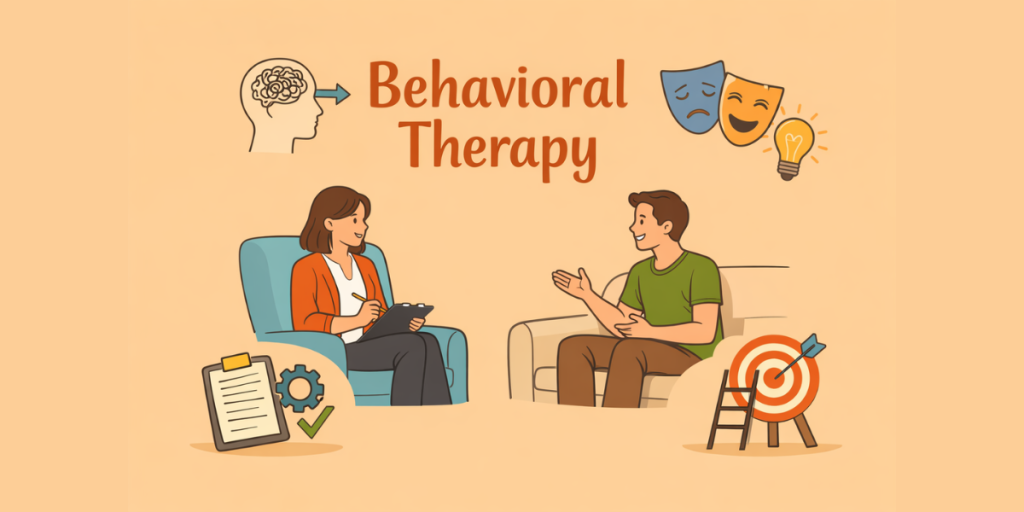
Generally, Behavioral therapy focuses on changing harmful habits. Cognitive Behavioral Therapy (CBT) helps patients:
- Reduce cravings
- Manage stress effectively
- Make better decisions
- Thus CBT strengthens long-term recovery.
Stage 5: Group Therapy and Peer Support
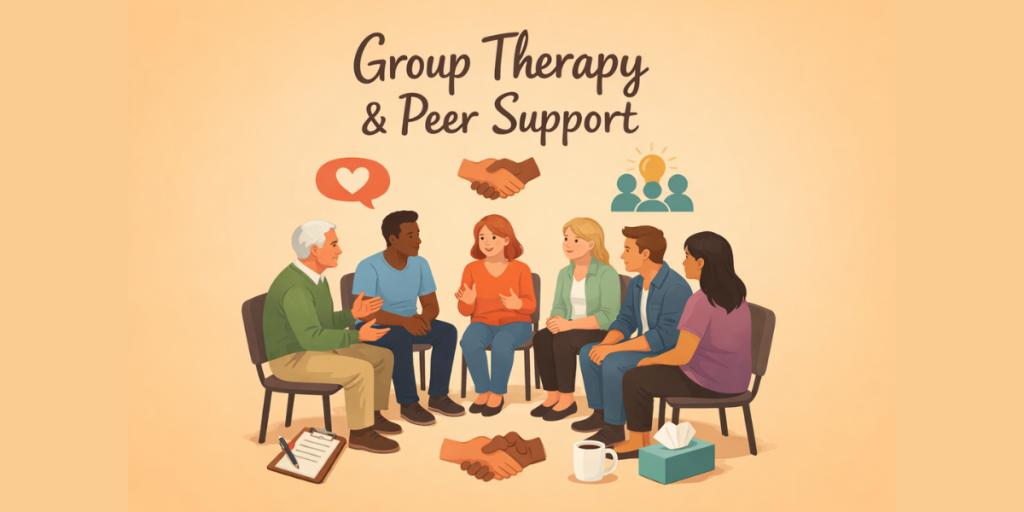
Group sessions provide encouragement and shared experiences. Benefits include:
- Reduced feelings of isolation
- Motivation and accountability
- Learning new coping strategies from peers
- Patients feel encouraged during their treatment as a result.
Stage 6: Family Counseling
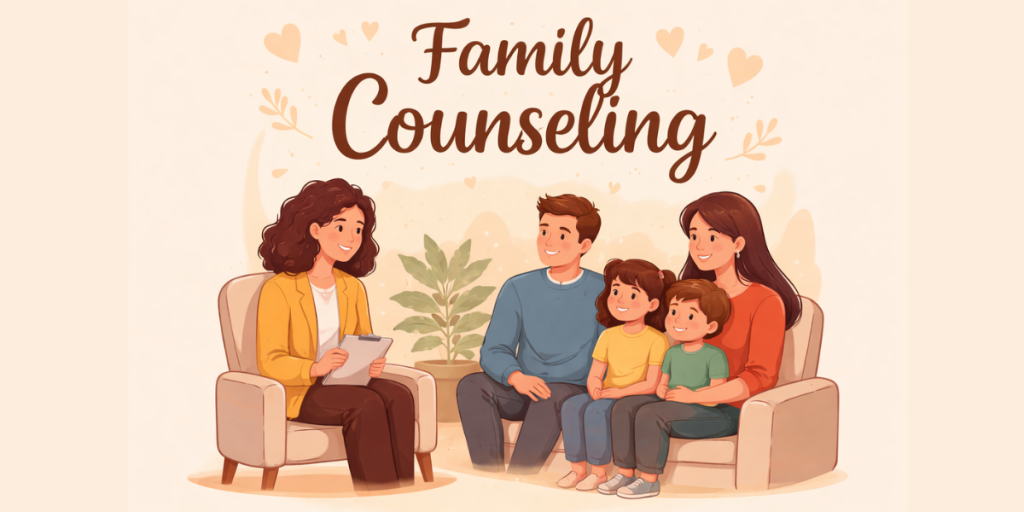
Addiction affects the entire family; moreover, loved ones often feel worried and helpless. So, family counseling helps:
- Understand addiction as a medical condition
- Improve communication
- Rebuild trust and relationships
- Hence, family involvement strengthens the patient’s recovery journey.
Stage 7: Holistic Healing Programs
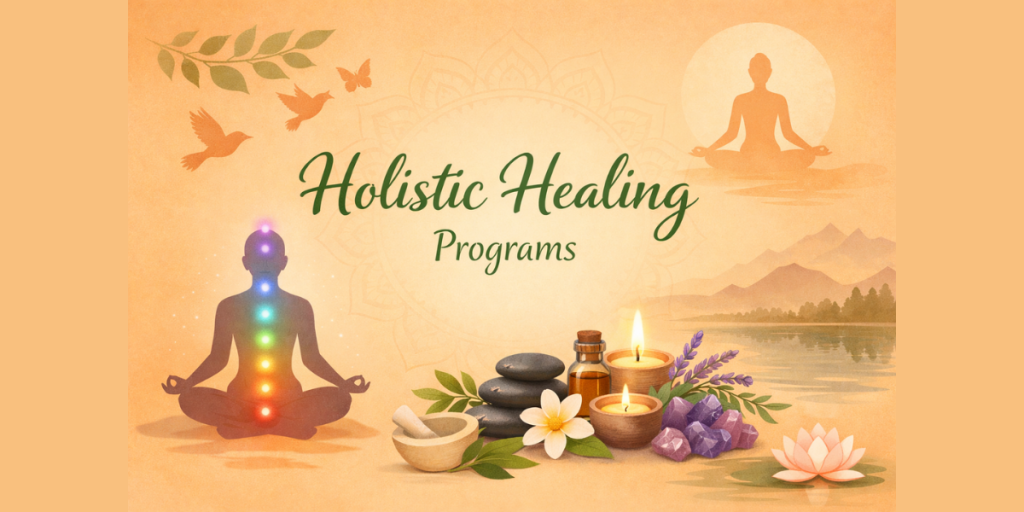
Holistic programs improve physical as well as mental well-being; Some Common activities which include:
- Yoga: reduces stress and improves flexibility
- Meditation: calms the mind and enhances focus
- Exercise: boosts mood and energy levels
- So together these programs support emotional balance and physical recovery.
Stage 8: Relapse Prevention
Basically, recovery continues even after treatment. So, Patients learn to:
- Identify high-risk situations
- Manage stress
- Build healthy routines
Therefore, relapse prevention training ensures long-term sobriety.
7. Addiction Statistics:
- Globally, over 35 million people suffer from drug use disorders.
- In addition, alcohol causes 3 million deaths every year.
- Unfortunately, only 1 in 7 people receives proper treatment
- Thus, professional rehabilitation becomes essential.
8. Benefits of Early Treatment:
- Reduces health risks – Additionally, addressing addiction early prevents serious physical complications.
- Improves emotional stability – Moreover, timely treatment helps patients manage stress and mood swings effectively.
- Strengthens family relationships – As a result, loved ones feel supported and communication improves.
- Enhances quality of life – Consequently, patients can regain control over daily routines and personal goals.
- Overall, early intervention at a deaddiction centre in Chennai significantly increases the chances of long-term recovery.
9. Maintaining Long-Term Recovery:
Normally, Recovery continues with proper lifestyle changes. Patients should:
- Attend follow-up counseling
- Join support groups
- Maintain healthy routines
- Use stress management techniques
- Thus, long-term sobriety becomes achievable.
10. Conclusion:
In summary, addiction impacts physical health, emotional well-being, and daily life. Thus, a deaddiction centre in Chennai provides structured programs that guide patients step by step through detox, counseling, therapy, and also holistic care. Moreover, professional supervision ensures safety while addressing both physical and psychological needs. As a result, patients can regain control, rebuild relationships, and develop healthy routines. Ultimately, with dedication, support, and the right treatment, lasting recovery is possible, enabling individuals to lead a healthier, addiction-free life.
Take the First Step Today! Don’t let addiction control your life. Contact a deaddiction centre in Chennai to begin step-by-step recovery. Speak to expert counselors and then create a personalized treatment plan.
Frequently Asked Question:
- What is a deaddiction centre in Chennai?
It is a specialized facility providing medical, psychological, and holistic treatment for alcohol and also drug addiction.
- Is treatment at a deaddiction centre in Chennai safe?
Yes, under medical supervision, detox and then therapy programs are designed for patient safety.
- What types of addiction are treated?
Mostly alcohol, prescription drugs, opioids, stimulants, cannabis, and also multiple substance addictions.
- Is nutrition part of the program?
yes ofcourse, balanced meals and hydration are part of detox and recovery to restore physical health.
- Is treatment expensive?
Generally, Costs vary depending on program length and services. Many centres offer flexible plans.
- Can I choose inpatient or outpatient treatment?
Yes, it’s mostly depending on addiction severity, centres provide both options.
- Are services confidential?
Of course, patient privacy and confidentiality are strictly maintained.
- How can I contact a deaddiction centre in Chennai?
Generally, most centres offer phone, email, and online consultation options.